

FAQ
What is the Care Service of the 12th Azov Brigade?

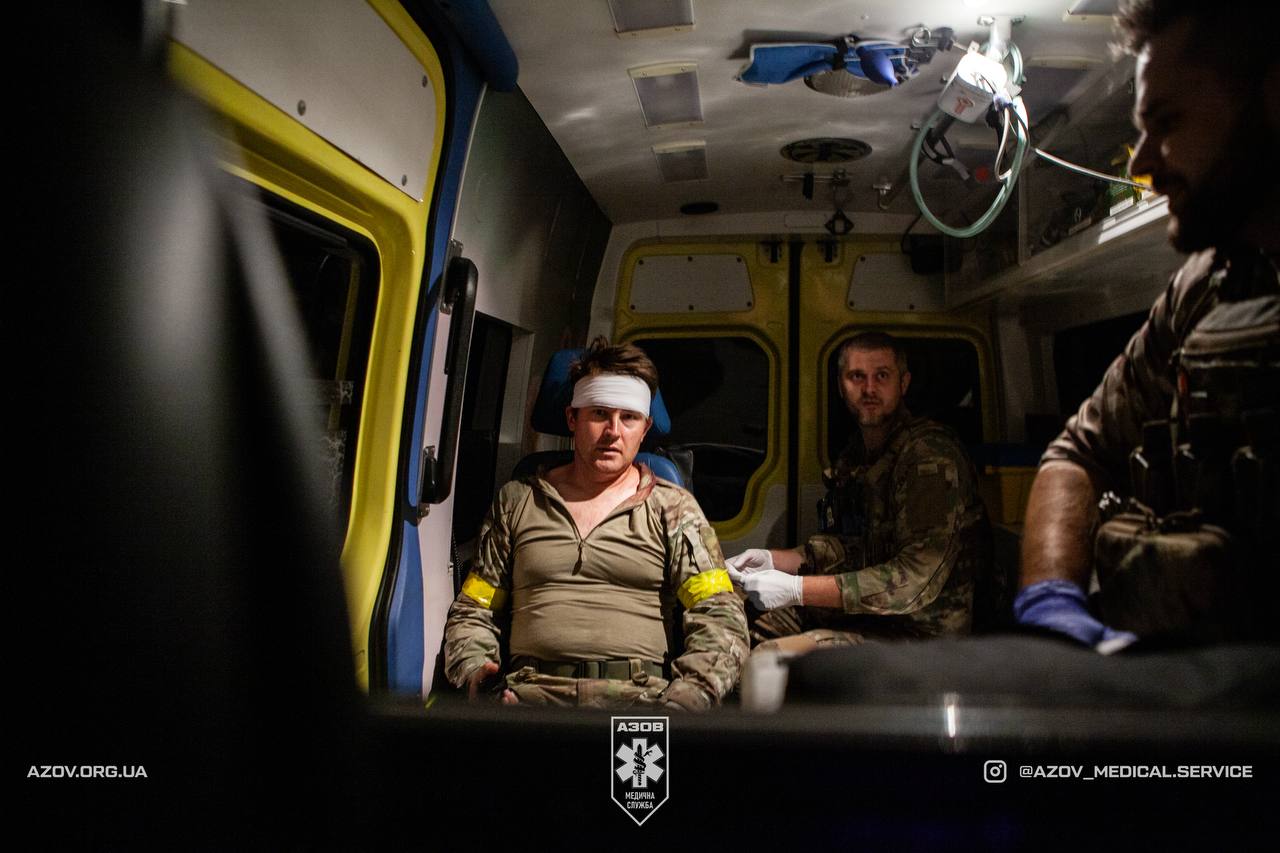
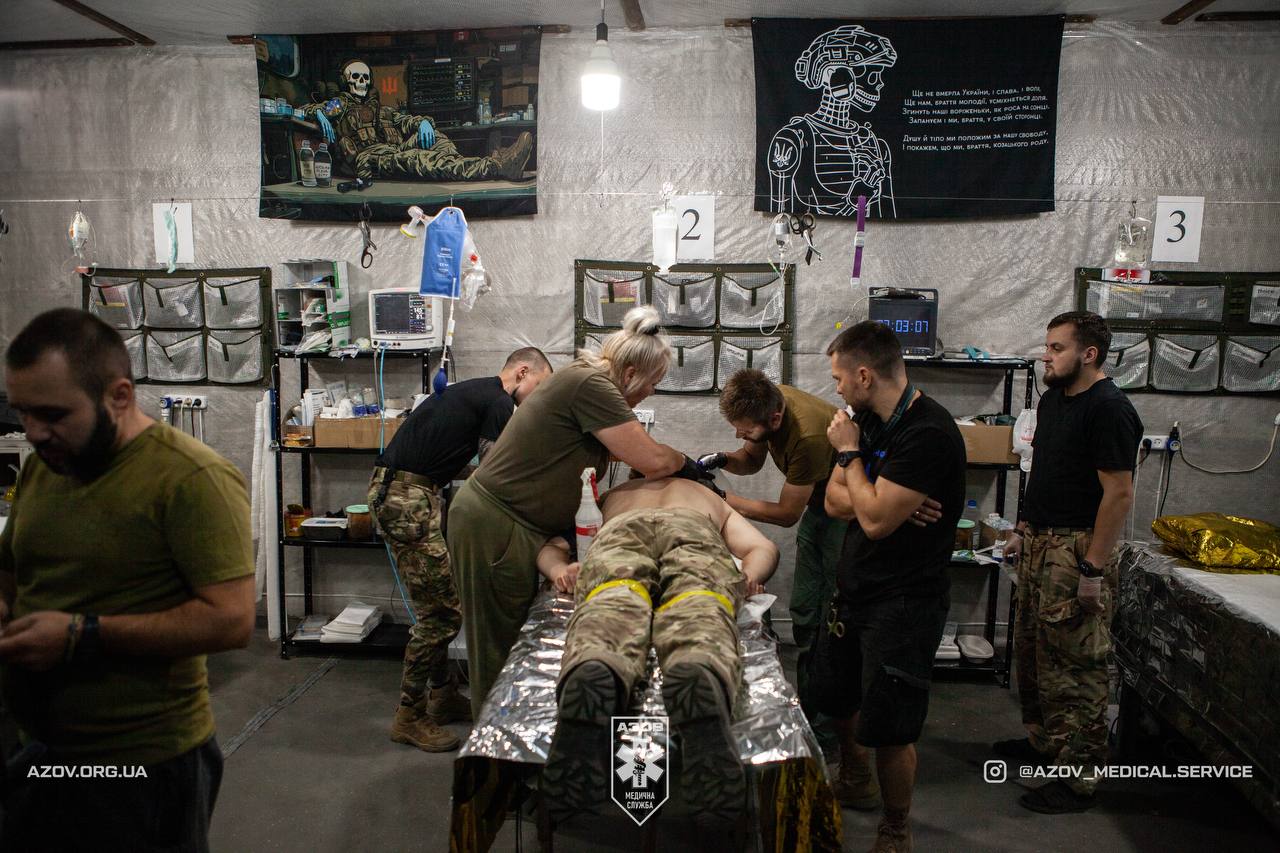
AZOV.Care is a non-governmental organization and part of the Medical Service of the 12th Special Forces Brigade Azov of the National Guard of Ukraine. Its primary function is to provide continuous support and comprehensive care for the brigade’s service members following injury or release from captivity, with an emphasis on long-term recovery, preserving functionality, and returning to active life.
Azov became the first brigade to implement the necessary changes to its organizational structure. It was a matter of principle to logically position the Care Service within the brigade’s organizational framework, which is why it became part of Azov’s Medical Service. This allows us to ensure continuity of care throughout every stage of a service member’s treatment, rehabilitation, recovery, and reintegration. This approach creates a unified care system focused not only on treating trauma, but also on preserving human potential, professional expertise, and service members’ roles in society.
Azov became the first brigade to implement the necessary changes to its organizational structure. It was a matter of principle to logically position the Care Service within the brigade’s organizational framework, which is why it became part of Azov’s Medical Service. This allows us to ensure continuity of care throughout every stage of a service member’s treatment, rehabilitation, recovery, and reintegration. This approach creates a unified care system focused not only on treating trauma, but also on preserving human potential, professional expertise, and service members’ roles in society.
Is AZOV.Care the patronage service of the Azov Brigade?
Unlike patronage services, the 12th Azov Brigade’s Care Service covers a much broader range of support for Azov fighters who have sustained injuries or been released from captivity. Our fighters do not require "patronage"; instead, they need to learn to live independently with their new experiences. The Care Service’s mission is to help fighters focus on their recovery while the AZOV.Care team addresses other challenges and provides support.
For this reason, the unit is more accurately described as a care service rather than a patronage service.
For this reason, the unit is more accurately described as a care service rather than a patronage service.
What does AZOV.Care do?
The primary mission of the Care Service is to provide continuous support and comprehensive care for brigade service members who have sustained injuries or been released from captivity. AZOV.Care coordinates treatment and rehabilitation, supports service members’ physical and mental health, provides medical assistance to fighters released from captivity, and helps the brigade’s veterans with readaptation, resocialization, and professional reintegration.
AZOV.Care is a unique system that provides a complete cycle of care for service members — from the moment of injury or release from captivity through functional recovery, return to active life, and reintegration into society. The service brings together medical, psychological, social, and reintegration support within a single care system aimed not only at treating the consequences of trauma, but also at preserving long-term human potential, professional experience, and quality of life.
At the heart of AZOV.Care’s approach is the understanding that fighters with injuries, as well as those released from captivity, need more than fragmented assistance. They require continuous, comprehensive recovery, in which every stage — treatment, rehabilitation, psychological support, training, and adaptation — is part of a unified process focused on restoring functionality and enabling full participation in society.
AZOV.Care is a unique system that provides a complete cycle of care for service members — from the moment of injury or release from captivity through functional recovery, return to active life, and reintegration into society. The service brings together medical, psychological, social, and reintegration support within a single care system aimed not only at treating the consequences of trauma, but also at preserving long-term human potential, professional experience, and quality of life.
At the heart of AZOV.Care’s approach is the understanding that fighters with injuries, as well as those released from captivity, need more than fragmented assistance. They require continuous, comprehensive recovery, in which every stage — treatment, rehabilitation, psychological support, training, and adaptation — is part of a unified process focused on restoring functionality and enabling full participation in society.
When and why was AZOV.Care created?
The AZOV.Care service was established in September 2024 in response to a challenge faced by every military during an ongoing war: how to preserve its most valuable asset — its people.
The key catalyst for the establishment of the Care Service was the Resolution of the Cabinet of Ministers of Ukraine No. 948, "On Certain Matters Relevant to the Introduction of Care Services for Military Personnel, Civil Protection Service Personnel and Officials, Police Officers, and Their Families," adopted on August 20, 2024.
AZOV.Care became the first — and one of the most comprehensive — services of its kind within the National Guard of Ukraine.
Its work began by supporting Azov service members released from Russian captivity on August 24, 2024. Since then, we have continuously expanded the care system, broadened our areas of support, and developed a network of partners to provide service members with assistance at every recovery stage — from treatment and rehabilitation to their return to active life.
Several months after the service was established, the AZOV.Care non-governmental organization was founded to develop partnerships and exploit additional opportunities for the long-term support of service members and former prisoners of war.
We firmly believe that people are not a resource, but the nation's most valuable asset. Supporting service members' recovery is not only about caring for individuals — it is about preserving the strength of the unit, strengthening society's resilience, and securing Ukraine's future.
The key catalyst for the establishment of the Care Service was the Resolution of the Cabinet of Ministers of Ukraine No. 948, "On Certain Matters Relevant to the Introduction of Care Services for Military Personnel, Civil Protection Service Personnel and Officials, Police Officers, and Their Families," adopted on August 20, 2024.
AZOV.Care became the first — and one of the most comprehensive — services of its kind within the National Guard of Ukraine.
Its work began by supporting Azov service members released from Russian captivity on August 24, 2024. Since then, we have continuously expanded the care system, broadened our areas of support, and developed a network of partners to provide service members with assistance at every recovery stage — from treatment and rehabilitation to their return to active life.
Several months after the service was established, the AZOV.Care non-governmental organization was founded to develop partnerships and exploit additional opportunities for the long-term support of service members and former prisoners of war.
We firmly believe that people are not a resource, but the nation's most valuable asset. Supporting service members' recovery is not only about caring for individuals — it is about preserving the strength of the unit, strengthening society's resilience, and securing Ukraine's future.
Who can contact the Care Service of the 12th Azov Brigade?
1. Service members of the 12th Azov Brigade who have sustained injuries or been released from captivity.
Brigade service members can rely on support throughout every stage of treatment, rehabilitation, and recovery. The Care Service helps coordinate medical treatment, rehabilitation, prosthetic care, psychological support, education, and career guidance. We are committed to making the recovery process as effective, systematic, and humane as possible.
2. Active-duty service members of the 12th Azov Brigade.
Active-duty service members can contact the Care Service for support with treatment for physical illnesses, psychological and psychiatric care, rehabilitation, education, leisure activities, and professional development. We strive to ensure our service members have access to high-quality care and support throughout both active service and recovery.
3. Veterans of the 12th Azov Brigade.
We work with educational programs and partner organizations to support our veterans as they transition to civilian life. We provide educational opportunities, retraining, employment assistance, psychological support, and adaptive sports programs. We also place a strong emphasis on veterans' social integration and active participation in civilian society.
4. Families of service members of the 12th Azov Brigade.
Spouses, children, and parents of service members may apply for psychological support, learning assistance, and participation in support groups. We understand how difficult it is to wait for a loved one while coping with the challenges of wartime, and we strive to make that journey less lonely and more supportive.
Comprehensive support for service members of the 12th Azov Brigade throughout their journey from injury or release from captivity to their return to active life.
Brigade service members can rely on support throughout every stage of treatment, rehabilitation, and recovery. The Care Service helps coordinate medical treatment, rehabilitation, prosthetic care, psychological support, education, and career guidance. We are committed to making the recovery process as effective, systematic, and humane as possible.
2. Active-duty service members of the 12th Azov Brigade.
Active-duty service members can contact the Care Service for support with treatment for physical illnesses, psychological and psychiatric care, rehabilitation, education, leisure activities, and professional development. We strive to ensure our service members have access to high-quality care and support throughout both active service and recovery.
3. Veterans of the 12th Azov Brigade.
We work with educational programs and partner organizations to support our veterans as they transition to civilian life. We provide educational opportunities, retraining, employment assistance, psychological support, and adaptive sports programs. We also place a strong emphasis on veterans' social integration and active participation in civilian society.
4. Families of service members of the 12th Azov Brigade.
Spouses, children, and parents of service members may apply for psychological support, learning assistance, and participation in support groups. We understand how difficult it is to wait for a loved one while coping with the challenges of wartime, and we strive to make that journey less lonely and more supportive.
Comprehensive support for service members of the 12th Azov Brigade throughout their journey from injury or release from captivity to their return to active life.